Say Goodbye to Worn-Out Furniture: Leather Upholstery Cleaning in Southampton
Professional Leather Upholstery Cleaning and Restoration
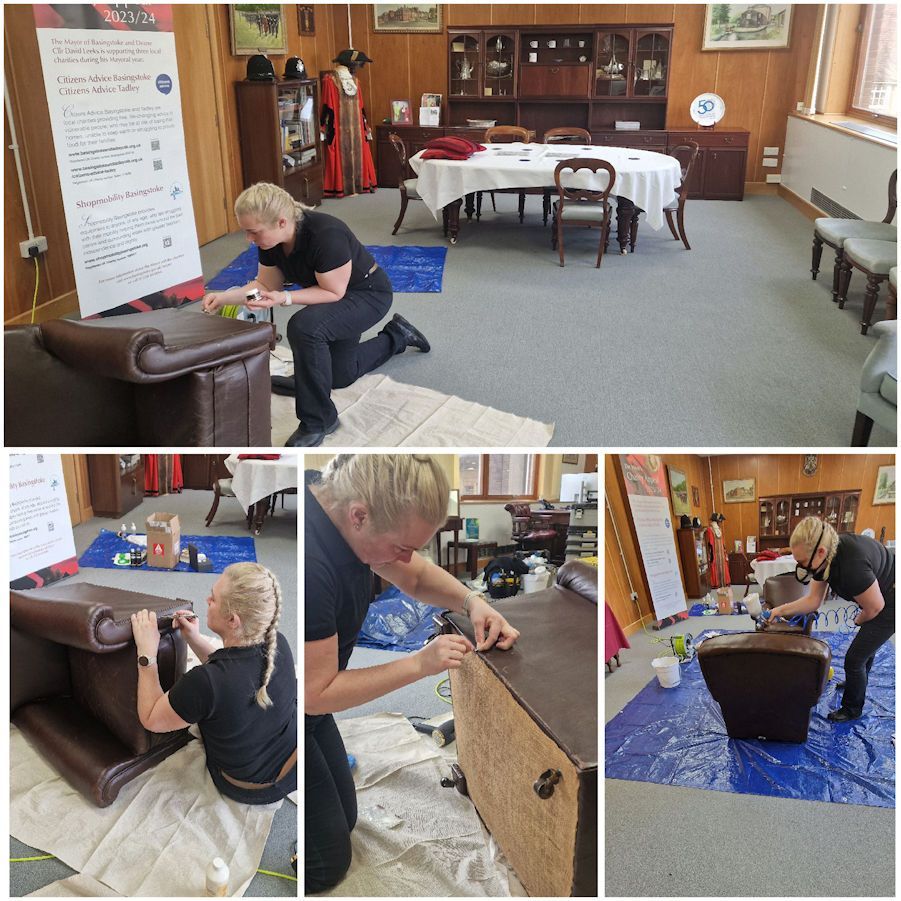
Importance of Professional Cleaning
Your leather furniture represents both comfort and investment. When dirt builds up in the grain and oils break down the surface, only specialized cleaning can truly restore its beauty.
Professional leather cleaning removes what regular dusting misses. The tiny particles that settle into creases and pores gradually wear down leather fibres from the inside out. A trained technician can extract these particles without stripping away essential oils.
Think of leather like skin - it needs proper care to stay supple. Southampton leather cleaning specialists use pH-balanced cleaners that work with your furniture's natural properties rather than against them. This careful approach prevents the drying and cracking that happens with harsh store-bought products.
The right cleaning also prepares leather for conditioning treatments that extend its life. Without this foundation step, even expensive conditioners won't penetrate properly or provide lasting protection.
Common Leather Care Mistakes
The biggest mistake homeowners make? Using products meant for other surfaces on their leather furniture. This quick decision often leads to long-term damage.
Household cleaners strip away protective finishes on leather. Even mild soaps can leave residue that attracts more dirt and creates a sticky surface. Water-based wipes might seem gentle but can saturate leather and create water stains that prove difficult to remove.
Another costly error is using oils and moisturizers meant for human skin. These products clog leather pores and create a greasy buildup that attracts dust. Over time, this buildup hardens and causes leather to crack along stress points.
Ignoring spills until they dry creates permanent stains. The longer liquids sit on leather, the deeper they penetrate. What could have been a simple blot-clean becomes a complex restoration job requiring professional help.
Many people also make the mistake of placing leather furniture in direct sunlight. UV rays fade colour and dry out natural oils, causing leather to become brittle much faster than it should.
Benefits of Regular Maintenance
Scheduled leather care saves you money. Simple math shows that regular professional cleaning costs far less than replacing premium furniture pieces every few years.
Well-maintained leather actually improves with age. The natural patina that develops on properly cared-for leather creates character and depth that new pieces lack. This aged beauty becomes more valuable over time, especially for quality brands and classic styles.
Regular cleaning prevents small issues from becoming big problems. A minor scuff or small stain addressed early won't develop into a tear or permanent mark. This proactive approach keeps repair costs low and preserves your furniture's appearance.
Professional maintenance creates a protective barrier against everyday wear. The conditioning treatments applied after cleaning shield leather from body oils, food spills, and pet accidents. This invisible shield makes daily care easier and extends time between professional services.
Leather Upholstery Cleaning Process
Professional leather care follows proven steps. Each phase builds on the last to create results that last longer and look better than quick fixes.
Initial Assessment and Inspection
Every leather restoration begins with careful examination. A trained technician first identifies your specific leather type - whether it's aniline, semi-aniline, pigmented, or specialty finish.
This identification matters because each leather type requires different cleaning methods. What works beautifully on pigmented leather could damage delicate aniline finishes. The technician checks for manufacturer tags or performs simple tests to determine the exact type you own.
During inspection, the technician spots potential problem areas. They look for signs of excessive wear, sun damage, or structural issues that need special attention. This careful assessment prevents surprises and ensures the right approach for your specific furniture.
The technician also asks about your concerns and priorities. Perhaps you worry most about that red wine stain or the faded area where sunlight hits. This conversation helps create a customized plan that addresses what matters most to you while working within the limits of what's possible for your leather type.
Deep Cleaning Techniques
Professional leather cleaning starts with removing surface dust and debris. Specialized vacuums with soft brushes pull particles from seams and folds without scratching the leather surface.
Next comes the application of leather-specific cleaners matched to your furniture type. These pH-balanced formulas break down oils and grime without stripping natural moisture. The technician works in small sections, using circular motions to lift dirt from deep within the grain.
For stubborn stains, spot treatment techniques target specific issues. Ink, grease, and food stains each require different approaches. The technician may use specialized tools like soft brushes or microfiber cloths to work the cleaner into problem areas without damaging the leather.
After cleaning, all residue gets completely removed. Any cleaner left behind attracts new dirt and can cause damage over time. This thorough removal process often involves multiple passes with clean cloths to ensure the leather is truly clean and ready for conditioning.
Conditioning and Protection
Cleaning removes essential oils along with dirt. Conditioning replaces these oils to prevent drying and cracking that shortens your furniture's life.
Professional conditioners penetrate deeply into leather fibres. Unlike store products that sit on the surface, these specialized formulas restore moisture from within. The technician applies conditioner in thin, even layers, allowing proper absorption between applications.
After conditioning, a protective cream creates a barrier against future damage. This cream shields leather from UV rays, spills, and daily friction. The protection level gets customized based on your furniture's location and usage patterns.
The final step involves buffing the leather to a natural sheen. This process removes excess product and activates the protective layer. The result is leather that looks clean but not artificially shiny - with that perfect balance of protection and natural beauty.
Choosing the Right Service in Southampton
Finding the perfect leather care partner takes research. The right choice saves you money and stress while delivering results that truly last.
Key Qualities to Look For
Experience with your specific leather type matters most. Look for services that clearly state they work with various leathers - from delicate aniline to durable pigmented finishes and specialty types like suede or nubuck.
Proper credentials demonstrate commitment to quality. Check if the service belongs to professional organizations like the National Carpet Cleaners Association (NCCA) or holds Trading Standards approval. These memberships require adherence to strict quality guidelines and ethical business practices.
Family-run businesses often provide more personal attention. When the same technicians handle every job, quality remains consistent. Ask if the people answering your call will be the same ones working on your furniture.
Clear, upfront pricing indicates honesty. Be wary of services that won't provide estimates before seeing your furniture or those with prices that seem too low compared to competitors. Quality leather care requires time and professional-grade products that come with fair costs.
Look for services offering free at-home assessments. This shows confidence in their expertise and allows for accurate quotes based on your specific furniture condition rather than generic pricing.
Questions to Ask Your Provider
"What training do your technicians have?" This simple question reveals much about a company's professionalism. Look for specific answers about leather-focused training programs rather than general cleaning certifications.
"How will you identify my leather type?" The answer should include physical examination and testing methods. Companies that assume all leather can be treated the same way lack essential expertise.
"What products do you use, and are they safe for my home?" Professional services should name their product lines and explain why they've chosen them. They should also confirm safety for children, pets, and people with sensitivities.
"Can you provide a written guarantee?" Quality services stand behind their work with clear guarantees. Ask what happens if you're not satisfied or if problems develop after treatment.
"How long will the cleaning process take, and when can I use my furniture again?" Proper leather cleaning isn't instant. Be suspicious of promises that seem too quick, and confirm how long you should wait before using freshly treated furniture.
Testimonials and Success Stories
Real customer feedback reveals the true quality of service. Look beyond star ratings to read detailed reviews that mention specific issues similar to yours.
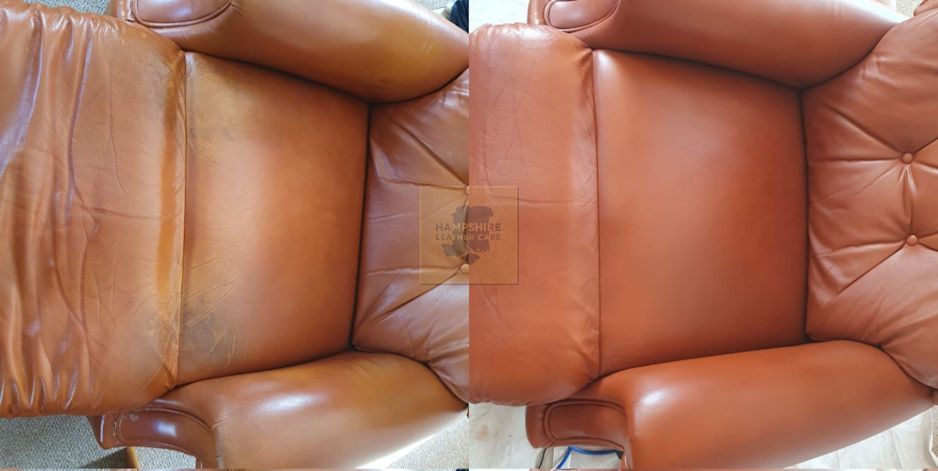
Before-and-after photos prove capabilities better than words. Quality leather services proudly display these transformations on websites and social media. Check if the "after" photos show natural-looking results rather than artificially shiny surfaces.
Long-term customer relationships signal reliability. When reviewing testimonials, notice if customers mention using the service multiple times. Repeat business indicates satisfaction with both results and customer experience.
Pay attention to how companies respond to negative reviews. The best services address complaints professionally and offer solutions. This shows they value customer satisfaction above defending themselves.
Ask if you can speak with past clients directly. Many satisfied customers gladly share their experiences, especially for larger restoration projects. This direct conversation provides insights no written review can match.
Maintaining Leather's Longevity
Between professional cleanings, your daily habits determine how well leather ages. Small changes create big differences in how long your furniture stays beautiful.
Routine Care Tips for Homeowners
Weekly dusting prevents particle buildup that scratches leather. Use a soft, dry cloth and gentle motions rather than pressing hard. Pay special attention to seams and button tufting where dust collects.
Position furniture away from direct sunlight and heat sources. UV rays fade leather colour while heat dries out essential oils. When sun exposure can't be avoided, consider window treatments that filter harmful rays.
Blot spills immediately with clean, dry cloths. Avoid rubbing, which pushes liquids deeper into the leather. For water-based spills, gentle blotting usually removes most liquid before it can stain.
Rotate cushions regularly to distribute wear. Even the best leather shows signs of use in favourite sitting spots. Flipping and rotating cushions every few weeks keeps wear patterns even across the entire piece.
Avoid sitting on furniture with sharp objects in pockets. Keys, tools, and even some jewellery can scratch or puncture leather surfaces. Taking a moment to remove these items extends your furniture's life.
Addressing Pet-Related Damage
Pet claws cause the most common leather damage. Trim your pet's nails regularly and provide appropriate scratching alternatives. Consider furniture covers for areas where pets frequently jump or play.
For minor scratches from pet claws, try gentle buffing with a soft cloth. This sometimes smooths the leather enough to make small marks less visible. For deeper scratches, professional repair prevents further tearing.
Clean pet accidents immediately to prevent staining and odour. Blot - don't rub - with clean paper towels to remove as much liquid as possible. Follow with a slightly damp cloth, then dry thoroughly before a pet-safe leather cleaner.
Pet hair embeds in leather grain over time. Use a soft brush vacuum attachment on low suction to remove fur without scratching. Microfiber cloths also work well for removing pet hair from leather surfaces.
Consider applying pet-specific leather protectors. These create stronger barriers against claws and accidents without changing your furniture's look or feel. Ask your leather care professional about options designed specifically for homes with pets.
Professional vs. DIY Solutions
Store-bought leather cleaners offer convenience but limited results. They typically address surface issues without reaching deep-seated dirt or providing lasting protection. For minor maintenance between professional cleanings, choose products specifically labelled for your leather type.
DIY recipes using household items often cause damage. Vinegar, alcohol, and harsh soaps strip away protective finishes and natural oils. What looks clean initially often leads to drying, cracking, and colour loss over time.
The cost difference between DIY and professional care shrinks when considering furniture lifespan. Professional treatments might cost more upfront but extend furniture life by years. This spreads the investment over much longer periods than frequent DIY attempts.
Professional services access commercial-grade products unavailable to consumers. These specialized formulas clean more effectively while providing better protection. The difference becomes obvious in how long results last after treatment.
Some issues simply require professional help. Deep stains, colour restoration, and structural repairs need specialized tools and techniques. Attempting these repairs yourself risks permanent damage that even professionals cannot reverse.
Contacting Our Expert Team
Ready for professional help? The right approach makes the process smooth and ensures you get exactly the service your leather needs.
Personalized Quotes and Services
Every leather piece has unique needs. When you contact a leather restoration service, they should ask detailed questions about your furniture type, age, condition, and specific concerns.
Free in-home assessments provide the most accurate quotes. During this visit, technicians can identify your exact leather type, spot hidden issues, and determine the best treatment approach. This personalized inspection leads to better results than generic price lists.
Look for services offering customized treatment packages. Quality providers recognize that your antique wingback needs different care than your family room sofa. The best services tailor their approach to each piece rather than applying one-size-fits-all treatments.
Ask about maintenance plans for ongoing care. Many professional services offer scheduled cleaning programs that cost less than individual appointments. These plans typically include priority booking and special pricing on repairs between regular cleanings.
Customer Satisfaction
The best leather services stand firmly behind their work.
Quality satisfaction address both immediate results and lasting performance. The service should promise not just that your leather will look better after cleaning, but that the results will last for a specified period with normal use.
Ask about follow-up procedures if problems arise. Will they return to address issues at no extra charge? How quickly can they respond to concerns? Clear answers to these questions indicate confidence in their work quality.
Check if the service carries proper insurance. This protects both you and them if accidents happen during the cleaning process. Professional services should readily provide proof of insurance when asked.
Reputable companies belong to industry organizations with dispute resolution processes. Membership in groups like the National Carpet Cleaners Association provides an extra layer of consumer protection beyond company guarantees.
Easy Steps to Schedule a Consultation
Booking leather care should be simple. Look for services offering multiple contact methods - phone, email, online forms - so you can choose what works best for you.
Prepare basic information before making contact. Know your furniture brand if possible, approximate age, and specific concerns. Photos help services understand your needs even before visiting your home.
Ask about typical wait times for appointments. Quality services may book several weeks in advance, especially during busy seasons. For urgent issues like spills or pet accidents, ask if they offer expedited service options.
Confirm what happens during the consultation visit. Will they provide a written quote? Can they perform sample cleaning on a small, hidden area? Will they explain their process in detail? These questions help set clear expectations.
After scheduling, prepare your space for service. Remove small items from furniture and create clear access paths. Ask if furniture needs to be moved and whether you should handle this before their arrival.
Hampshire Leather Care and similar professional services make the booking process straightforward. Their friendly staff guides you through each step, from initial contact to completed restoration.
Remember that quality leather care is an investment in your furniture's future. With proper professional treatment and regular maintenance, your leather pieces will continue providing comfort and beauty for many years to come.
Recent Posts